
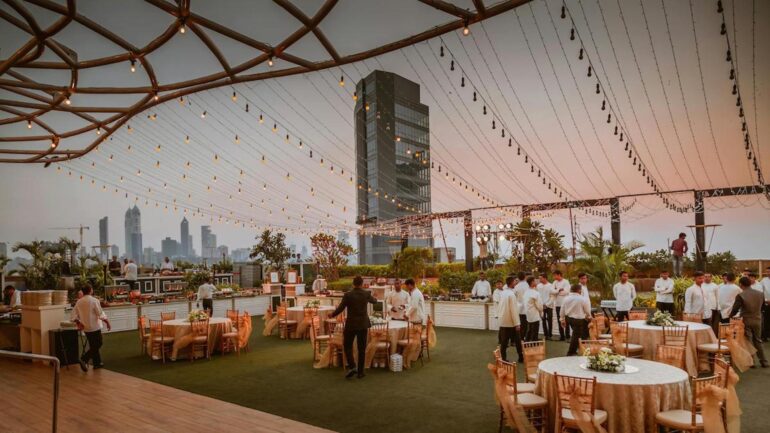
Choosing a venue for event is one of the most critical decisions in planning a successful event. Whether you are organizing a corporate conference, product launch, exhibition, wedding, or private gathering, the space you choose will influence the atmosphere, guest experience, logistics, and overall impact of the event.
This article offers practical and strategic tips for selecting the ideal space for an event, emphasizing functionality, comfort, and long-term value over brand-specific solutions.
Understand the Purpose and Type of Event
Before reviewing any potential spaces, define the core purpose of your event. Different events require different spatial characteristics, and clarity at this stage will guide every decision that follows.
Consider the nature of your event:
- Is it formal or informal?
- Does it require presentations, performances, networking, or exhibitions?
- Will guests be seated, standing, or moving between zones?
A conference may require a structured layout with stage visibility and acoustics, while a social event may prioritize ambiance and flexibility. Knowing the event type helps you eliminate unsuitable options early and focus on spaces designed to support your format.
Define Your Target Audience and Capacity
Understanding who will attend your event is just as important as understanding the purpose of the event. Audience size, demographics, and expectations all influence the choice of space.
Key considerations include:
- Estimated number of attendees
- Age range and mobility needs
- Professional or casual expectations
- Cultural or social preferences
The space should comfortably accommodate your audience without feeling overcrowded or empty. A venue that is too small can feel chaotic, while one that is too large may feel impersonal and reduce engagement.
Evaluate Location and Accessibility
Location plays a major role in attendance and overall convenience. Even a beautifully designed space can underperform if it is difficult to reach.
When assessing location, consider:
- Proximity to major roads or public transportation
- Availability of parking
- Travel time for most guests
- Nearby accommodations for out-of-town attendees
Accessibility should also include considerations for individuals with disabilities, such as ramps, elevators, and accessible restrooms. A strategically located space reduces stress for guests and increases the likelihood of punctual attendance.
Assess Layout, Size, and Flexibility
The internal layout of a space determines how effectively your event can be executed. A good space should support both your current plan and potential last-minute adjustments.
Look for spaces that offer:
- Flexible room configurations
- Clear sightlines to stages or focal points
- Adequate ceiling height for lighting and décor
- Separate areas for registration, catering, and breakout sessions
Check Facilities and Technical Infrastructure
Modern events rely heavily on technical support and facilities. Choosing a venue for event with reliable infrastructure can prevent costly last-minute repairs.
Important facilities to review include:
- Sound systems and acoustics
- Lighting options and control
- Electrical capacity
- Internet connectivity
- Climate control and ventilation
If your event includes presentations, live performances, or digital engagement, technical readiness is essential. Always confirm whether technical support is included or if external vendors are required.
Consider Budget and Overall Value
Budget constraints are unavoidable, but focusing only on the lowest price can be misleading. Instead, evaluate the overall value offered by a space.
When reviewing costs, consider:
- Rental fees and time limits
- Included services and equipment
- Set up and breakdown policies
- Additional charges for overtime or customization
A slightly higher upfront cost may save money in the long run if it includes essential services or reduces logistical complexity. Value should be measured by efficiency, reliability, and the quality of experience delivered.
Review Safety, Security, and Compliance
Safety should never be compromised, regardless of the event size or purpose. A responsible space will meet legal and safety standards and provide clear procedures for emergencies.
Key safety aspects include:
- Fire exits and evacuation plans
- Crowd control measures
- Security personnel availability
- Compliance with local regulations and permits
Analyze Ambience and Brand Alignment
The atmosphere of a space contributes significantly to how guests perceive your event. Design, lighting, materials, and surroundings all influence emotional responses.
Ask yourself:
- Does the space reflect the tone of the event?
- Is the style modern, classic, or neutral?
- Can branding and décor be customized?
The right environment reinforces your message and creates a cohesive experience. This is particularly important for corporate or promotional events where perception and branding matter.
Think About Future Scalability
Some events are one-time occasions, while others are recurring or expected to grow. Choosing a space that can support future needs can save time and resources later.
Consider whether the space can:
- Accommodate larger audiences in the future.
- Support different event formats.
- Offer long-term partnerships or repeat availability.
Planning with scalability in mind allows your event strategy to evolve without constantly starting from scratch.
Conduct Site Visits and Ask the Right Questions
Online photos and descriptions are helpful, but they cannot replace an in-person visit. A site visit allows you to assess details that may not be immediately visible.
During a visit, observe:
- Cleanliness and maintenance
- Staff professionalism
- Noise levels and surroundings
- Ease of setup and logistics
This is also the time to clarify policies, restrictions, and contingency plans. A transparent and responsive management team is often a good indicator of a reliable space.
In conclusion, choosing the right space for an event requires thoughtful planning, clear priorities, and careful evaluation. From understanding your audience to assessing facilities and future needs, every factor plays a role in the final outcome. When these elements are aligned, a venue for event becomes more than just a location, it becomes a strategic foundation for success.


